

Professional Brake Hydroboost Installation & Troubleshooting Guide
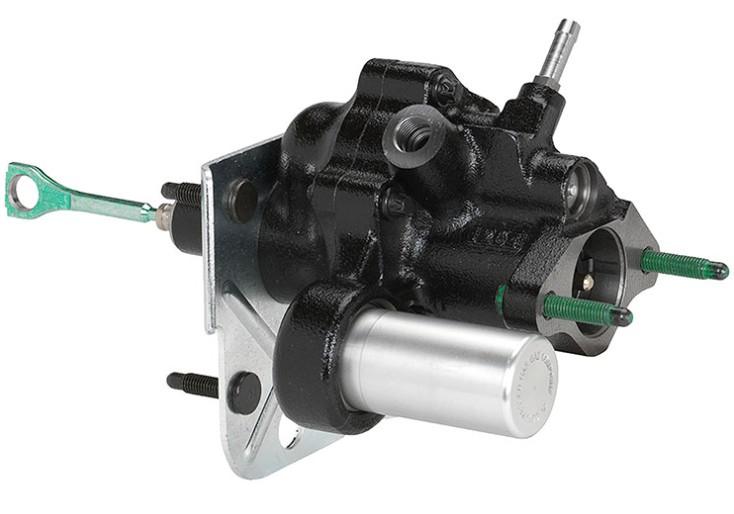
The Complete Hydroboost Installation & Troubleshooting Guide
Signs of a Failing Hydroboost Unit
Hydroboost failure often involves the hydraulic assist side of the braking system. Common indicators for heavy-duty fleet and automotive applications include:
- ● Hard Brake Pedal: A complete loss of assist usually points to an internal spool valve failure or a collapsed supply hose from the power steering pump.
- ● Pedal “Kickback” or Vibration: If the pedal shudders when applied, this typically indicates a problem with the accumulator or air trapped in the high-pressure lines.
- ● Fluid Leaks at the “Weep Hole”: Check the area between the master cylinder and the hydroboost. If Power Steering fluid (not brake fluid) is present, the input rod seal has failed.
- ● Slow Pedal Return: A restricted return line or internal spring fatigue can cause the pedal to return slowly, leading to brake drag and premature lining wear.
Meticulous Installation & System Restoration
Because Hydroboost units operate under extreme hydraulic pressure, the system must be clean and properly bled to ensure heavy-duty reliability.
1. Power Steering System Flush
Contamination is the #1 killer of Hydroboost units. A replacement unit must never be introduced to old, burnt, or metal-shaving-rich power steering fluid.
- Flush the entire power steering circuit before connecting the new booster.
- Inspect high-pressure hoses for internal “sloughing” which can clog the booster spool valve.
- Expert Note: If the power steering pump recently failed, the booster MUST be flushed or replaced to prevent debris from circulating.
2. Bleeding the Hydraulic Assist
Unlike master cylinders, Hydroboost units are bled via the power steering system, not the brake lines:
Fill the reservoir and, with the engine off, turn the steering wheel lock-to-lock 20 times while pumping the brake pedal. Start the engine and repeat. This “purges” air from the booster’s internal chambers back to the reservoir. Failure to do this can cause a “groaning” noise or erratic pedal feel during initial test drives.
Troubleshooting: Expert Installation & Field Notes
Based on our shop experience specializing in heavy-duty brakes since 1985, use this checklist to prevent common installation comebacks:
Hissing Sound Under Dash
Bypass Condition: A slight hiss can be normal during full pedal depression, but a constant hiss usually indicates the pushrod is not fully retracting or a seal is bypassing internally. Check your brake pedal return spring and pushrod alignment.
Brakes Applying Themselves
Return Line Restriction: If the return hose (the low-pressure line with the worm-gear clamp) is kinked or restricted, back-pressure builds up in the booster and can actually apply the brakes without you touching the pedal.
Loss of Assist After Engine Off
Accumulator Test: The “gold” or “blue” canister on the side stores pressure for emergency stops. With the engine off, you should have 2-3 assisted stops. If the pedal is immediately hard, the accumulator has failed and the unit requires replacement.
Technical Summary for Success
| Fluid Compatibility | Use only the Power Steering fluid (usually ATF or Dedicated PS Fluid) specified by the vehicle manufacturer. Never put brake fluid in the booster. |
| Pushrod Alignment | Ensure the pushrod is perfectly centered. Side-loading the input rod will cause the rear seal to fail within weeks. |
| Mounting Torque | Secure mounting to the firewall is critical. Any movement in the booster housing will result in “pedal play” and potential cracking of the mounting bracket under heavy industrial use. |
CRITICAL: Verify Specifications
Always confirm casting numbers and rod lengths before installation. Hydroboost units for industrial equipment often differ slightly from automotive versions in mounting depth.