



Hydroboost Brake Boosters BPC
1982-1995 Chevy P30 & GMC P3500 Hydroboost Brake Booster | BP7257

Hydroboost Brake Boosters BPC
Casting #2771741 Hydro-Boost | Chevrolet Astro & GMC Safari (1994-1995) | SKU: BP7333

Hydroboost Brake Boosters BPC
1982-1994 Chevy P30 & GMC P3500 Hydroboost Brake Booster | BP7327

Hydroboost Brake Boosters BPC
1982-1991 Chevy & GMC 3500 & Suburban Hydroboost Brake Booster | BP7307
Hydroboost Brake Boosters BPC
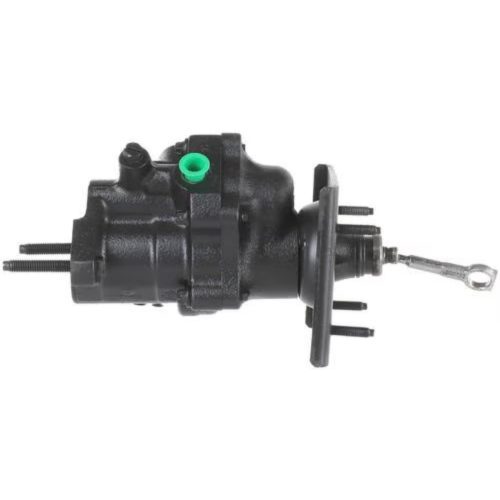
Bexar Pro Hydroboost Hydraulic Power Brake Booster for Ford E-450 Super Duty (BP7384)
Hydroboost Brake Boosters BPC
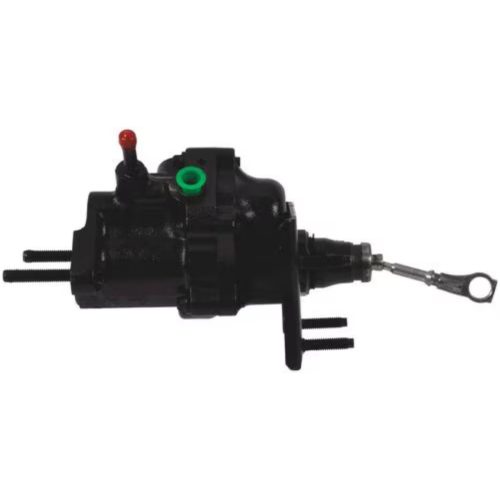
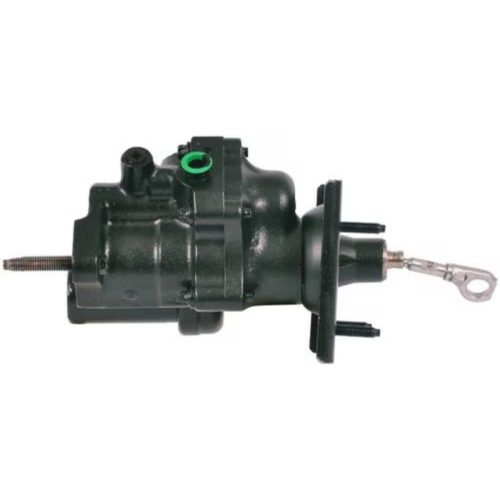
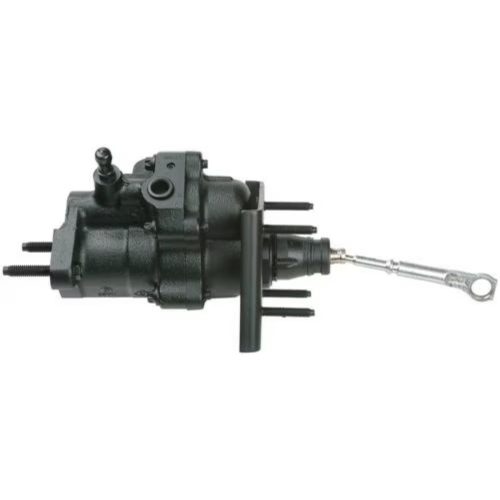
Bexar Pro Hydroboost Hydraulic Power Brake Booster for Ford E-350 & E-450 Super Duty (BP7376)
Hydroboost Brake Boosters BPC
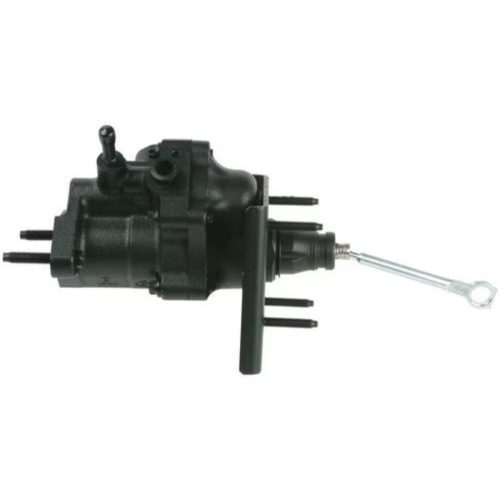
Hydroboost Brake Boosters BPC
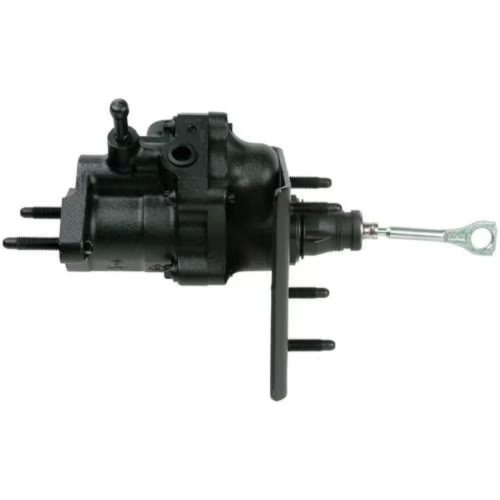
Hydroboost Brake Boosters BPC
Bexar Pro Hydroboost Hydraulic Power Brake Booster for Hummer H2 (BP7372)
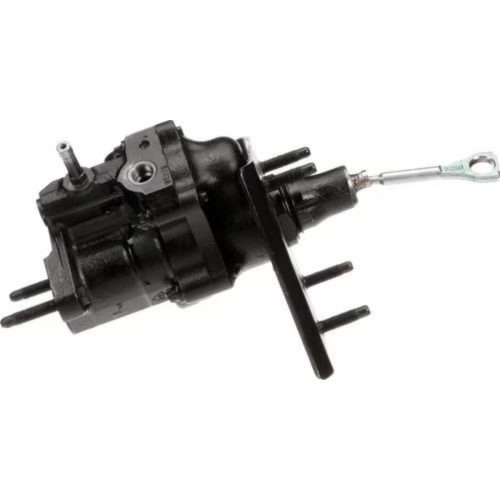
Hydroboost Brake Boosters BPC
Bexar Pro Hydroboost Hydraulic Power Brake Booster for GM Trucks & Heavy-Duty SUVs (BP7371)
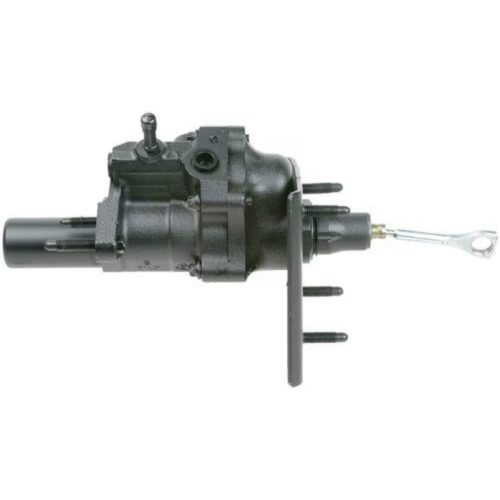
Hydroboost Brake Boosters BPC
Bexar Pro Hydroboost Hydraulic Power Brake Booster for 2003-2006 GM SUVs & Trucks (BP7370)
🛑 CRITICAL: Verify Specifications
Complete hydraulic pressure loss or brake drag can occur if booster metrics deviate from original manufacturer blueprints. Before processing your order or checking out your shopping cart contents, check your original vehicle attributes across these core structural layout baselines:
- Bore Sizing: Verify the companion cylinder dimensions, ensuring exact matching configurations (such as a standard 1-inch bore size or alternative metric setups) to manage fluid volume displacement.
- Port Configurations: Verify high-pressure power steering hose interface thread styles, noting standard INV (inverted flare) or O-ring line seat placements.
- Pushrod Alignment: Carefully inspect pushrod lengths, mounting bracket offsets, and eyelet dimensions to guarantee straight pedal travel clearance channels.
- Companion Upgrades: Check our catalog for linked master cylinders, matching line segments, or hardware seals to completely update the circuit line during component swaps.
Verified Housing Castings Reference
Always cross-reference the physical identifiers cast straight onto the booster block housing. Use our high-visibility monospace reference codes to trace exact model histories:
- VERIFIED HOUSING CASTING ID MAP: HB-BEXAR-78219-PRO
- COMPANION HIGH-PRESSURE HOSE REPAIR OVERHAUL KIT: RK-HYDRO-782
Booster Failure Symptoms
- Hard brake pedal feel (Complete loss of power-assist backup)
- Brake pedal slow to return to rest position after release
- Visible power steering fluid leaks between master cylinder and booster body
- Excessive power steering pump growl or noise when applying brakes
Technical Context
Unlike vacuum-assisted setups, Hydroboost systems utilize fluid pressure from the vehicle's power steering pump to multiply stopping force. This provides significantly higher line pressure—critical for diesel trucks, heavy towing setups, and commercial fleet applications that cannot produce sufficient engine vacuum.
Expert Installation & Field Note
Based on our shop experience specializing in heavy-duty brakes since 1985, roughly 90 percent of Hydroboost failures are entirely avoidable through proper system hygiene. When replacing a booster unit, always perform a comprehensive fluid system power-flush cycle. Contaminated power steering fluid or trapped air bubbles are the top causes of internal valve binding, piston scoring, and premature high-pressure fluid seal wear. Always confirm absolute pushrod straightness before releasing the vehicle back to fleet operations.
Need diagnostic assistance? Review our comprehensive Brake Hydroboost installation & troubleshooting guide to verify system tracking fields.