

Brake Master Cylinders
New Brake Master Cylinder 1-inch bore size FD8832 FE8832 M308141
Brake Master Cylinders
New Brake Master Cylinder 1-inch bore size FE14912 11196 11196C
Brake Master Cylinders
New Brake Master Cylinder 1-1/4-inch bore size FE21721 5454330 21721C
Brake Master Cylinders
New Brake Master Cylinder 1-inch bore size FE49370 84 616397
Brake Master Cylinders
New Brake Master Cylinder 1-1/8-inch bore size 14485 FE14485
Brake Master Cylinders
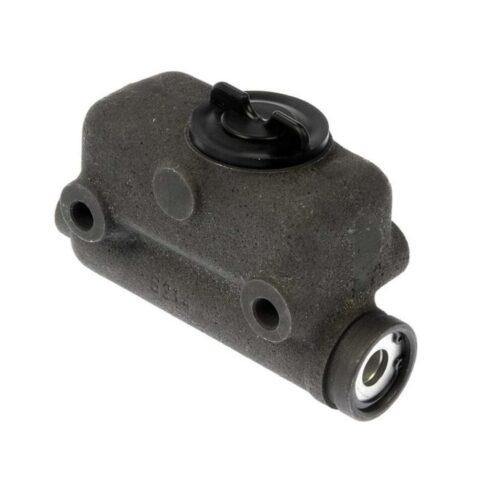
New Brake Master Cylinder 1-1/16-inch bore size FE14020 14020
Brake Master Cylinders
New Brake Master Cylinder 1.5-inch bore size 29934C FE57579 FD57578
Brake Master Cylinders
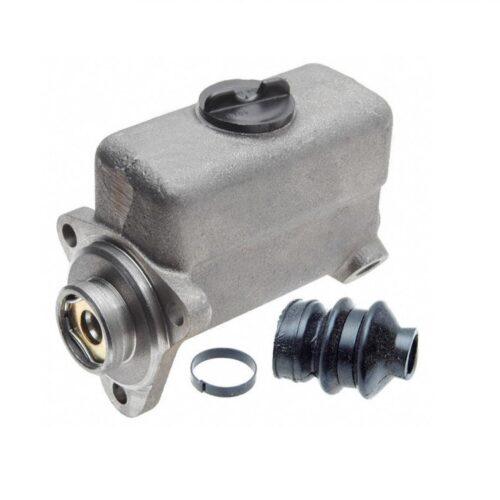
New Brake Master Cylinder 1-1/8-inch bore size FE2539 29943-C B288
Brake Master Cylinders
New Brake Master Cylinder 1-inch bore size FE49360 75 616397
🛑 CRITICAL: Verify Specifications
Hydraulic system failure and complete fluid bypass can occur if the component metrics deviate from original manufacturer blueprints. Before processing your order or checking out, check housing parameters, mounting styles, and connection shapes against these core benchmarks:
- Bore Diameters: Always select the precise 1-inch bore size or 1-1/4-inch bore size configurations to ensure correct system displacement pressures.
- Outlet Connections: Verify fluid feed port thread configurations, utilizing INV inverted flare port settings where required.
- Linkage Setup: Double-check pushrod lengths and pushrod alignment to guarantee full piston clearance channels inside the cylinder bore.
- Companion Overhauls: Review linked listings for a companion repair kit to completely update the fluid circuit line during assembly swaps.
Verified Housing Castings Reference
Always match technical indicators before unbolting fluid lines. Track down replacement hardware assemblies using these high-visibility casting data benchmarks:
- VERIFIED BLOCK CASTING ID MAP: MC-BEXAR-78219-A
- COMPANION HYDRAULIC MASTER REPAIR OVERHAUL KIT: RK-BEX500-MC
Expert Installation & Field Note
Based on our shop experience specializing in heavy-duty brakes since 1985, structural pedal travel degradation is rarely caused by material defects. Instead, premature wear and seal scoring are almost always driven by poor internal pushrod alignment during deployment setup. If the rod acts at even a mild angle, it introduces extreme side-load stresses against the primary piston cups, accelerating internal fluid bypass and causing soft pedal drop. Always perform a comprehensive bench bleeding sequence and verify total pushrod centering before clearing fleet vehicles for service.
Need install help? Review our comprehensive master cylinder installation guide to verify system integrity before mounting your hardware.
